
How to Stop Drinking Alcohol and Begin Your Recovery
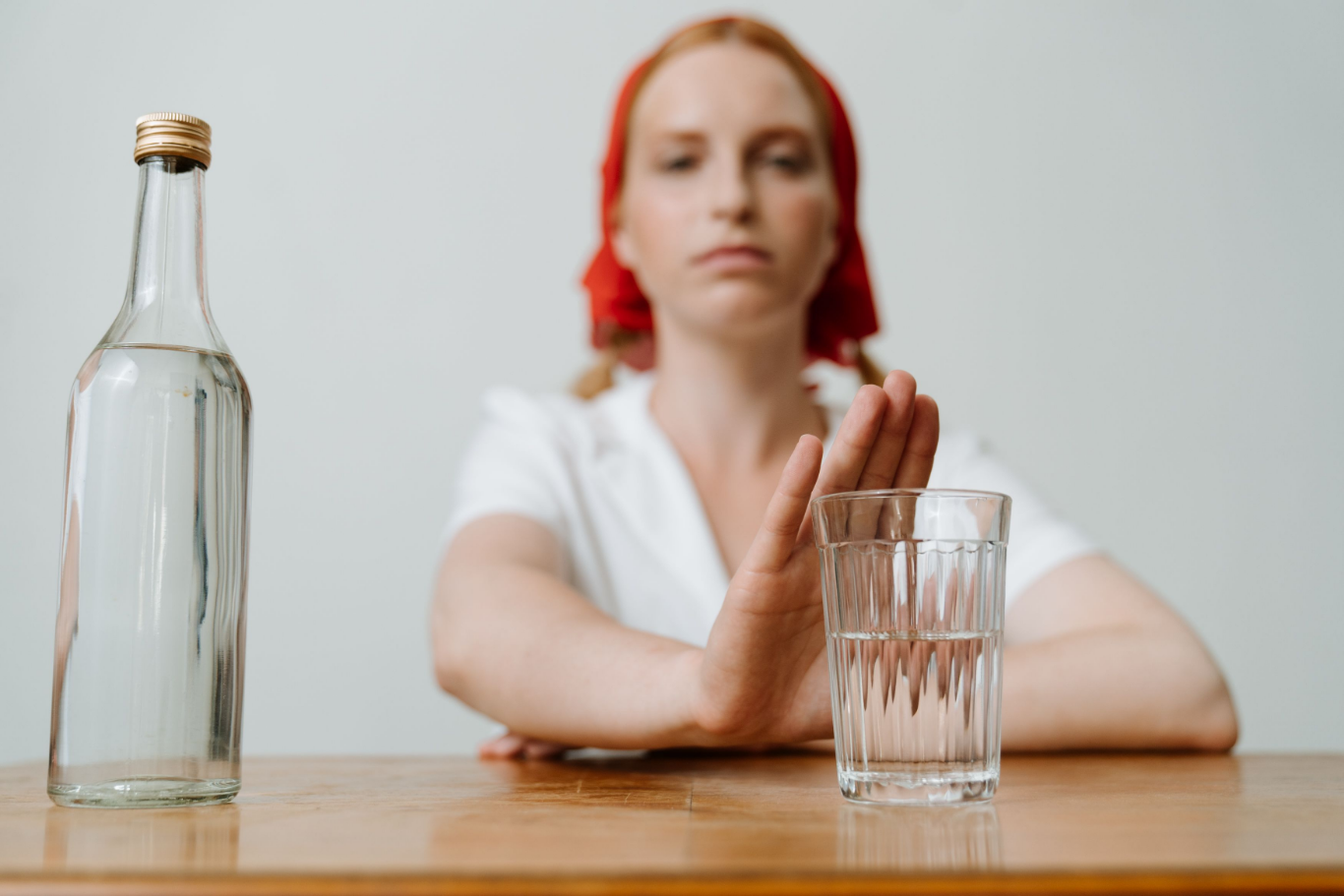
The first step in learning how to stop drinking alcohol is checking that you can safely stop on your own. A small share will because stopping suddenly can be dangerous for them. Then choose between cutting back and quitting. Change the routines behind each drink and line up support for the hard evenings.
When to See a Doctor Before You Stop Drinking
This step comes first because alcohol withdrawal is more than unpleasant. The NIAAA calls it "a potentially life threatening process" that can happen when someone who has been drinking heavily for a long time stops suddenly.
Talk to a doctor before you stop if either of these applies to you.
You have been drinking heavily for a long time, by the NIAAA definition below.
You get withdrawal symptoms, such as trembling hands, when you go without alcohol. Florida's state health encyclopedia is blunt about it: "you should not try to quit on your own. It may be life threatening."
| NIAAA heavy drinking | On any single day | In a week |
|---|---|---|
| Men | 5 or more drinks | 15 or more drinks |
| Women | 4 or more drinks | 8 or more drinks |
MedlinePlus says withdrawal usually starts within 8 hours of the last drink. Symptoms tend to peak between one and three days. Go to the emergency room or call 911 if you notice any of these:
seizures
fever
severe confusion
hallucinations
an irregular heartbeat
A doctor can also prescribe medication to make stopping safer and less distressing.
Decide Whether You're Cutting Back or Quitting
Quitting for good on day one is not the only option. NIAAA treats cutting down as a real goal, but it advises quitting instead if you:
have tried cutting down but can't stay within the limits you set
have any symptoms of alcohol use disorder
have a health condition caused or made worse by drinking
take a medication that interacts with alcohol
are or might be pregnant
Maybe you decide to cut back instead. Give it two to three months. NIAAA suggests quitting altogether if you have made no progress by then. Professional help is the other route. You can also do both.
One recent change is worth knowing. The 2025-2030 Dietary Guidelines for Americans dropped the old guidance of one drink a day for women and two for men. The current advice is simply to "consume less alcohol for better overall health."
Tips to Stop Drinking Alcohol When It's a Nightly Habit
If you drink at home most evenings, the habit is tied to a time and a place as much as to the alcohol. These tips are adapted from NIAAA's Rethinking Drinking program, with the evening routine in mind.
Count every drink
Note each drink before you pour it, on your phone or a kitchen calendar, which NIAAA says may help you slow down. Measure at home too, since you may be getting more alcohol than you think.
Keep less in the house
NIAAA's advice for when drinking at home is the problem fits in one line: "keep little or no alcohol there." Choose a few alcohol-free days each week as well.
Plan for the urge
NIAAA says a craving will "crest like a wave and pass" if you do not act on it. So one option is simply to ride it out. The others give you something to do while it passes. Remind yourself why you are changing. Call someone you trust. Do something active.
Have your "no" ready
Decide on your "No, thanks" before anyone offers. NIAAA notes that the faster you say no, the less likely you are to give in.
What Recovery From Alcoholism Looks Like
You may have heard the word alcoholism. It is an everyday word and not a clinical one. NIAAA uses the term alcohol use disorder. Severity depends on how many symptoms you have. Two or three is mild. Four or five is moderate. Six or more is severe. You can decide to change your drinking without any diagnosis or label.
The research is encouraging. According to NIAAA, "the majority of people with AUD can decrease their drinking and alcohol-related problems over time." Some gains are physical. Among heavy drinkers, cutting back lowers blood pressure, and stopping can let a fatty liver heal.
Sleep takes longer. NIAAA notes that drinking-related sleep problems may only recover after 30 or more days without alcohol, so a restless first month doesn't mean it isn't working.
Where to Get Help in the US
Help exists but goes underused. The 2024 National Survey on Drug Use and Health found that only a small share of people with alcohol use disorder got treatment that year. The survey covers teens and adults.
You don't have to choose just one option:
A doctor can prescribe naltrexone or disulfiram. NIAAA says none is addictive.
A licensed professional helps change drinking behavior.
Alcoholics Anonymous is one. They add peer support alongside treatment.
Find qualified care near you at alcoholtreatment.niaaa.nih.gov.
Your Next Step
If you're not sure where your drinking sits, start with The Pause Assessment, which Cheryl describes as "an opportunity to notice" your patterns before you decide anything. You can also join one of her free bi-weekly group calls.
