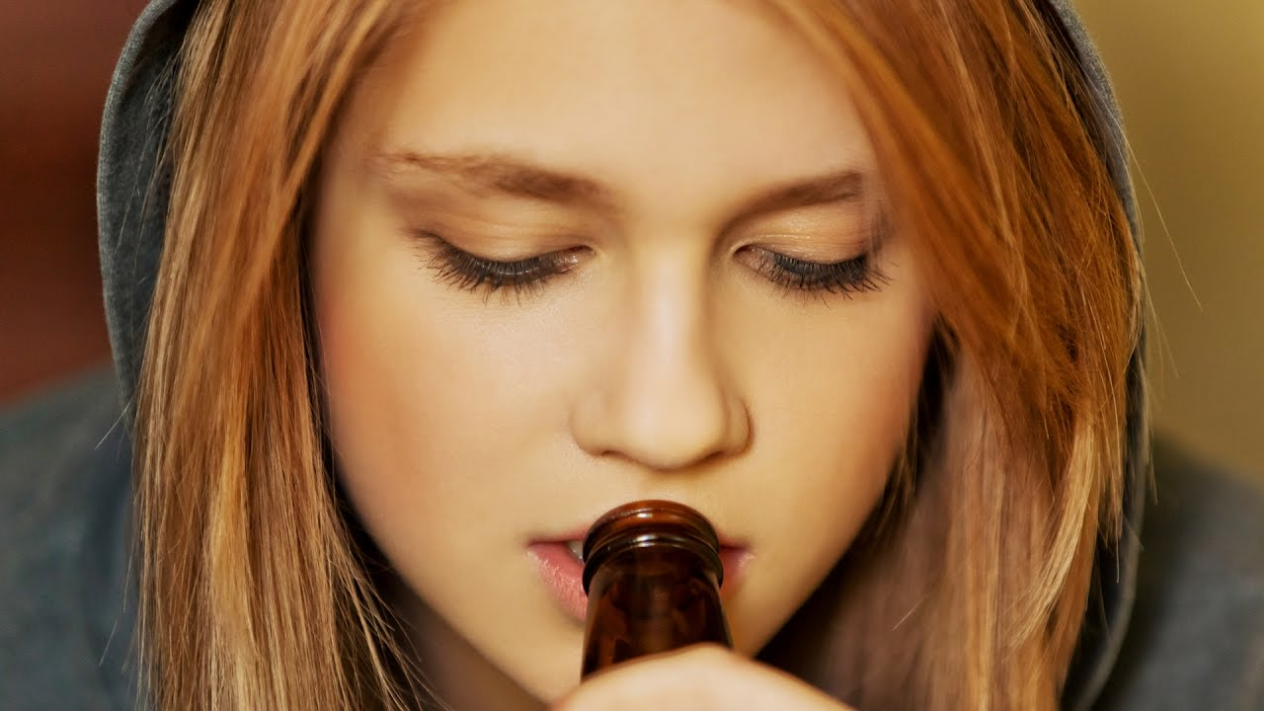
When you stop drinking alcohol, your body starts adjusting within a day. Sleep often improves over the next week or two, and mood, blood pressure, and liver health may continue to improve over the following months. How fast it happens depends mostly on how much and how often you drank.
Some of these changes you can feel by the weekend. Others, like a lower cancer risk, happen out of sight and take years.
Talk to a Doctor First If You May Be Dependent on Alcohol
If you drink heavily, have had withdrawal symptoms before, or feel shaky, sweaty, anxious, or sick when you delay a drink, get medical advice before stopping. Suddenly stopping can be dangerous if your body has become dependent on alcohol.
Seek emergency medical care if stopping brings on seizures, confusion, hallucinations, a fever, or an irregular heartbeat. Our guide on when to see a doctor before you stop drinking explains the warning signs in more detail, but it is not a substitute for a medical assessment.
Your Timeline After the Last Drink
Much of this timeline follows research gathered by Nicole Lee of Curtin University's National Drug Research Institute and Katinka van de Ven of UNSW Sydney, published in The Conversation. These windows are broad guides, not stages everyone moves through at the same pace.
The First Day or Two
Your body starts clearing alcohol soon after you drink. How long this takes depends on how much you drank and how your body processes it. Some people begin to feel less dehydrated or more energetic over the next day or two, although the timing varies.
Shaking, sweating, nausea, anxiety, or sleep problems after stopping can be signs of withdrawal. Get medical advice if these occur rather than assuming they are a normal adjustment.
The First Week
A drink can make you drowsy at bedtime, but it breaks up your sleep later in the night. After a week without it, many people wake up more rested. Heavier drinkers often have a slower start. Among people recovering from alcohol use disorder, insomnia is common in the first two weeks and can last through the second month or longer.
Alcohol-related fatty liver can begin to improve in the first few weeks after stopping. Some people also notice clearer thinking early on, while recovery in memory, attention, and other cognitive skills can take considerably longer after prolonged heavy drinking.
Two to Four Weeks
Some changes can be measured after a month without alcohol. In a BMJ Open study, a group of 94 moderate to heavy drinkers who stopped for a month had median reductions of about 26% in insulin resistance, 6.6% in systolic blood pressure, and 6.3% in diastolic blood pressure. A comparison group that kept drinking showed no statistically significant changes in these measures. This was an observational study of people without known liver disease or alcohol dependence, so the results do not predict what every person will experience.
Wider research points the same way on blood pressure. A meta-analysis of 36 trials in The Lancet Public Health found that cutting back lowered blood pressure, with the biggest drops in people who had been drinking more heavily. Among participants with lower alcohol intake, the reduction was not statistically significant.
Your stomach gets a break too. Bloating, heartburn, and indigestion caused by alcohol usually start clearing within about four weeks. In a University of Sussex survey of Dry January participants led by psychologist Richard de Visser, 67% reported more energy, 57% said they concentrated better, and 54% noticed better skin. These were self-reported, so they show what people noticed rather than what everyone can expect.
Three to Six Months
Liver recovery can begin much earlier and may continue over the following months. How far it goes depends on the type and extent of liver damage. Alcohol-related fatty liver can improve after stopping, while advanced scarring may not fully reverse. A clinician can assess recovery using blood tests and, when needed, scans or other tests.
One Year and Beyond
Some benefits are about long-term risk rather than how you feel day to day.
Cancer risk falls more slowly. Your body breaks alcohol down into acetaldehyde, a chemical that damages DNA. According to the National Cancer Institute, stopping is linked to a lower risk of mouth and esophageal cancers, and possibly throat, breast, and colorectal cancers. Getting back to the risk level of someone who never drank can take years, and NCI says it is never too late to stop.
How Stopping Drinking Changes Your Mood and Anxiety

Alcohol makes moods harder to manage and can make anxiety and depression worse. So a lot of people feel steadier after a few weeks without it, and even very heavy drinkers tend to report a better mood within one to two months.
The early weeks can still feel odd. If a drink was how you closed the workday or got through a hard evening, that time is suddenly empty, and the pull to fill it can be strong. Support and practical coping strategies can help you manage cravings.
Read More: How to Deal with Alcohol Cravings without Drinking or Fighting Them
Why Your Starting Point Matters
How stopping feels depends on how much you drank, for how long, and whether your body has come to depend on alcohol. Two situations come up often, and they can overlap.
When Your Drinking Feels Like a Gray Area
"Gray area drinking" is an informal term people use when their drinking concerns them but does not fit their idea of an alcohol problem. It is not a diagnosis or a way to assess withdrawal risk. Finding it hard to cut down, or often drinking more than you meant to, is worth raising with a doctor whatever label you use.
For many people in this place, the surprise is the mental side. Without the drink, they find out how much of their evening was built around it. That is part of why willpower alone isn't enough to change your drinking, and it is the focus of my gray area drinking coaching.
When You Have Been Drinking Heavily
After long-term heavy drinking, much of the early discomfort comes from the body adjusting to life without alcohol, and that adjustment should happen with medical advice. Once it settles, the changes can be larger than a lighter drinker sees, because there was more for the body to recover from.
How to Make an Alcohol-Free Stretch Stick
A break works better with a little structure around it. None of this needs to be elaborate, and you can start with whichever idea fits your week.
Set a Time Frame
If you can safely stop without medical supervision, pick a length before you begin, such as 30 days. A finish line makes the change feel temporary, which takes some pressure off, and it gives you a clear before and after to compare.
Track What Changes
Write down how you sleep, how your mornings feel, and what you spend. Benefits you have recorded are easier to remember on the evening you feel like dropping the plan.
Find the Drink's Job
Drinking may have become a way to relax, socialize, or mark the end of the day. When the urge comes, ask what you were hoping the drink would do, then look for another way to get it.
Read More: Why Is It So Hard to Stop Drinking Alcohol, Even When You Want To?
Get Support
People stick with change more easily when they are not doing it alone. That could be a friend taking the month off with you, an alcohol recovery coach, or a room of people asking the same questions. My free bi-weekly group zoom meets twice a month at no cost and is open to anyone curious about their drinking.
Not Sure Whether to Stop or Cut Back?
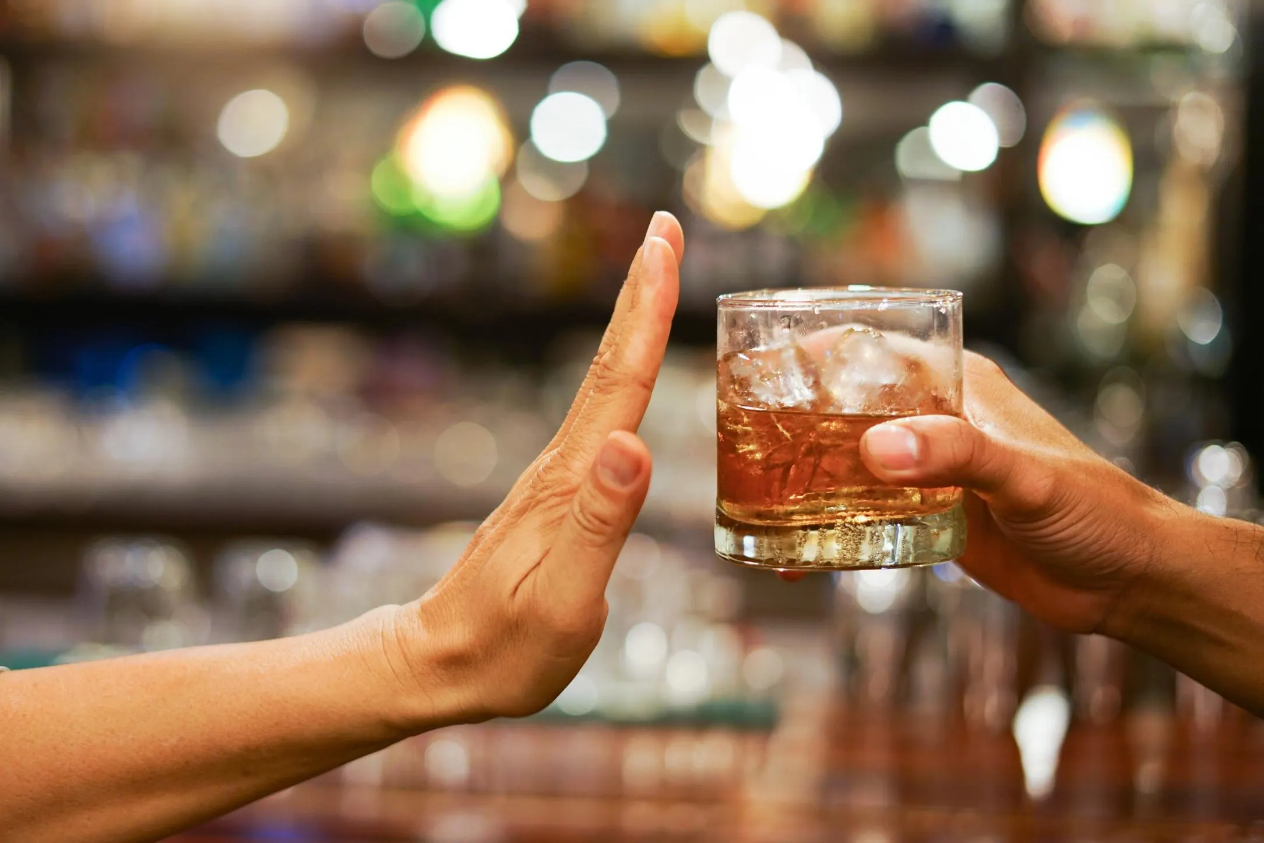
You don't need a final answer before you start paying attention. The pause assessment is a free self-reflection tool that helps you look at your drinking patterns before you decide anything.
If you are in the US and need help finding treatment, the SAMHSA national helpline is free and open 24/7 at 1-800-662-4357.
